
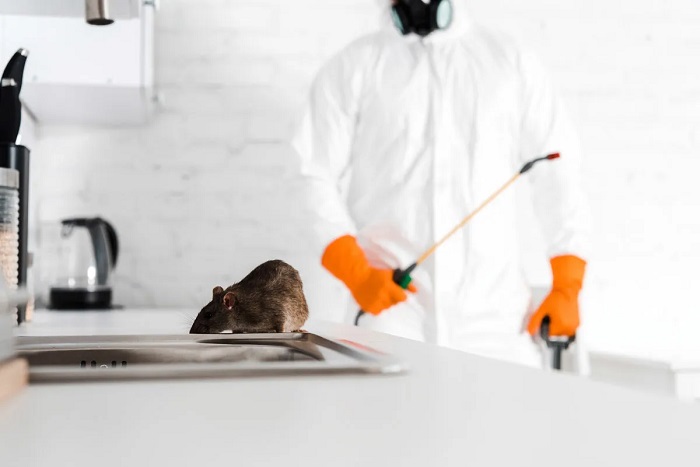
Pest problems in Brunswick homes often begin with small warning signs. A few ants near a kitchen window, mice activity in the garage, wasps near the roofline, mosquitoes around the yard, or scratching sounds in the wall may not seem urgent at first. But when pests find food, water, shelter, and access, a minor issue can quickly become more difficult to manage.
In Maine, pest pressure changes throughout the year. Warmer months can bring ants, mosquitoes, ticks, wasps, spiders, flies, and other insects. Cooler weather may push rodents indoors as they look for warmth and shelter. Moisture, wooded areas, garages, basements, sheds, crawl spaces, and storage areas can also make homes more attractive to pests.
For Brunswick homeowners, prevention is usually more effective than waiting for pests to spread. A year-round plan helps identify risk areas early, reduce entry points, and address the conditions that allow pests to return.
Why Brunswick Homes Can Attract Pests
Pests are not only a problem in neglected homes. Clean, well-maintained properties can still experience pest activity when the surrounding conditions are right.
Common pest attractants include:
- Small gaps around doors and foundations
- Moisture near basements or crawl spaces
- Food crumbs or pantry access
- Pet food stored in garages
- Firewood stacked near the home
- Dense vegetation near exterior walls
- Standing water outdoors
- Damaged screens or vents
- Openings around pipes or utility lines
- Cluttered storage areas
Brunswick homes may also be close to wooded areas, gardens, sheds, garages, and natural spaces. These features can create pest pathways before activity becomes visible indoors.
Rodents Are a Major Seasonal Concern
Rodents are one of the most important pests to prevent because they can stay hidden while creating damage and contamination. Mice and rats may enter through small openings around garage doors, foundations, vents, utility lines, basement windows, or roofline gaps.
Once inside, rodents may move through:
- Garages
- Basements
- Attics
- Wall voids
- Kitchens
- Pantries
- Storage rooms
- Crawl spaces
- Utility areas
Common warning signs include droppings, scratching sounds, chewed packaging, shredded nesting material, greasy rub marks, unusual odors, and pet attention focused on one wall or cabinet.
Rodent control should not rely only on traps. Traps may remove active rodents, but they do not solve the reason rodents entered the home. A stronger plan includes inspection, entry-point review, exclusion recommendations, sanitation guidance, and follow-up monitoring.
Carpenter Ants Should Not Be Ignored
Carpenter ants are another important pest concern for Maine homeowners. Unlike some ants that mainly search for food, carpenter ants can tunnel into wood to create nesting galleries. They do not eat wood like termites, but their nesting activity can still weaken damaged or moisture-prone wood over time.
Possible signs of carpenter ant activity include:
- Large black ants indoors
- Ant trails near windows, doors, or kitchens
- Small piles of sawdust-like material
- Activity near damp wood
- Rustling sounds inside walls in severe cases
- Ants appearing repeatedly after cleaning
Moisture is often part of the problem. Carpenter ants may be more likely to target wood affected by leaks, drainage issues, roof problems, damp basements, or poor ventilation.
If carpenter ants keep returning, the source should be inspected. Wiping away visible ants may provide temporary relief, but it does not address the colony or the conditions that support it.
Wasps Can Create Safety Issues Around the Home
Wasps, hornets, and yellow jackets can become a serious problem when nests are located near doors, decks, patios, sheds, garages, rooflines, or children’s play areas.
Nests may appear:
- Under eaves
- Around rooflines
- Inside wall voids
- In trees or shrubs
- Under decks
- Near sheds
- Around porches
- In ground openings
- Near outdoor dining areas
Wasp activity may begin quietly, then become more noticeable as the nest grows. Homeowners should avoid knocking down or spraying nests without understanding where the colony is located. Hidden nests and ground nests can be especially risky because the full size of the problem may not be obvious.
Professional help is often the safer choice when nests are active, difficult to reach, or close to high-traffic areas.
Mosquitoes and Ticks Need Yard-Level Prevention
Outdoor pests can make a yard less comfortable during warmer months. Mosquitoes are often connected to standing water, while ticks may be associated with tall grass, leaf litter, wooded edges, pets, and wildlife movement.
Homeowners should check:
- Buckets
- Plant saucers
- Birdbaths
- Clogged gutters
- Low yard areas
- Pet bowls
- Dense shrubs
- Tall grass
- Leaf piles
- Wooded edges
- Outdoor storage
Removing standing water, trimming vegetation, maintaining the lawn, and reducing leaf litter can help. However, properties with persistent mosquito or tick pressure may need a more structured outdoor pest-control plan.
Spiders and Occasional Invaders Often Follow Shelter
Spiders, beetles, silverfish, centipedes, millipedes, and other occasional invaders may become more noticeable when outdoor conditions change. Some enter through small gaps around doors, windows, foundation cracks, vents, and utility openings.
Spiders may also appear where other insects are present, since insects can serve as a food source.
Common areas to inspect include:
- Basement corners
- Window wells
- Garages
- Storage rooms
- Utility areas
- Door thresholds
- Exterior lights
- Foundation edges
- Sheds
- Porch areas
Reducing clutter, sealing gaps, improving door sweeps, and controlling other insects can help reduce indoor activity.
Moisture Can Make Pest Problems Worse
Moisture is one of the strongest pest-supporting conditions around a home. A small plumbing leak, damp basement corner, clogged gutter, poor drainage area, or moisture near the foundation can attract pests and make recurring problems more likely.
Moisture may support activity from:
- Carpenter ants
- Cockroaches
- Silverfish
- Rodents
- Mosquitoes
- Flies
- Occasional invaders
Homeowners should regularly check under sinks, around water heaters, near laundry areas, along basement walls, near exterior faucets, and around gutters and downspouts.
Correcting moisture problems does not replace pest treatment when pests are already active, but it can reduce the conditions that allow pests to survive and return.
Entry Points Should Be Checked Regularly
Many pest problems begin outside before they become visible indoors. A seasonal exterior inspection can help homeowners catch weak points early.
Common entry points include:
- Gaps under doors
- Worn weatherstripping
- Garage-door corners
- Foundation cracks
- Utility penetrations
- Pipe openings
- Dryer vents
- Damaged screens
- Roofline gaps
- Attic vents
- Crawl-space openings
- Basement gaps
Even small openings can allow insects or rodents to enter. Sealing entry points, repairing screens, maintaining door sweeps, and keeping the exterior maintained can reduce recurring problems.
For rodents, timing is important. Entry points should not be permanently sealed before confirming that animals are not still inside.
Garages, Basements, and Storage Areas Need Attention
Garages and basements are common pest zones because they provide shelter, darkness, storage, and sometimes moisture. These areas may also have more gaps than the main living space.
Pests may hide in:
- Cardboard boxes
- Stored seasonal items
- Pet food bags
- Firewood
- Tools and equipment
- Old furniture
- Utility corners
- Damp storage areas
Homeowners can reduce pest pressure by keeping storage organized, using sealed containers, avoiding cardboard in damp areas, storing pet food securely, and inspecting corners regularly.
If droppings, nesting material, or repeated insect activity is found, the problem should be inspected before it spreads further into the home.
Why One-Time Treatment May Not Be Enough
One-time pest treatment can help with a specific issue, but many Brunswick homes face pest pressure that changes by season.
A prevention-based plan can help with:
- Rodent entry-point checks
- Carpenter ant inspections
- Wasp nest identification
- Mosquito and tick reduction
- Moisture-related pest issues
- Exterior barrier support
- Early signs of new activity
- Follow-up when pests return
Homeowners looking for Brunswick pest control services should consider whether the plan includes inspection, prevention, treatment, and recommendations for reducing future activity.
The goal is not only to remove pests that are visible now. The goal is to make the home less attractive and harder for pests to enter later.
What Homeowners Can Do Between Professional Visits
Homeowners can support pest prevention with regular maintenance.
Helpful steps include:
- Repair plumbing leaks quickly.
- Store food in sealed containers.
- Clean crumbs and spills.
- Keep pet food sealed.
- Remove trash regularly.
- Trim shrubs away from the house.
- Move firewood away from exterior walls.
- Reduce standing water.
- Maintain door sweeps and screens.
- Seal visible gaps.
- Keep garages organized.
- Avoid storing cardboard in damp areas.
- Check the foundation edge.
- Watch for rodent droppings, ant trails, or wasp activity.
These steps cannot prevent every pest issue, but they make the property easier to protect and inspect.
Questions to Ask Before Choosing a Pest Control Provider
Before choosing a pest control provider, homeowners should ask practical questions.
Useful questions include:
- Which pests are covered?
- Do you inspect the interior and exterior?
- Do you check for rodent entry points?
- Is carpenter ant control available?
- Is wasp nest removal included?
- Are mosquito and tick services available?
- Do you offer year-round protection plans?
- What happens if pests return?
- Do you provide prevention recommendations?
- Are treatments customized to the home?
A good provider should explain what is happening, why pests may be present, and how the property can be better protected.
Brunswick Homes Benefit From Year-Round Prevention
Pest problems are easier to manage when they are addressed early. Rodents, carpenter ants, wasps, mosquitoes, ticks, spiders, roaches, and other household pests can all become more difficult when entry points, moisture, food sources, and shelter remain available.
A year-round plan for year-round home pest protection in Maine should combine inspection, treatment, exclusion, moisture awareness, yard maintenance, and follow-up support.
Green Pest Defense provides pest control services for Brunswick homes and businesses. Its Brunswick page describes support for pests such as wasps, bees, spiders, ants, mice, rats, and mosquitoes, along with carpenter ant control, mouse and rodent control, exterior and interior inspections, customized treatment solutions, and ongoing pest protection programs.
For homeowners, prevention is usually easier than recovery. By watching for early warning signs, reducing attractants, and working with a professional plan when needed, Brunswick residents can keep their homes more comfortable and better protected throughout the year.