
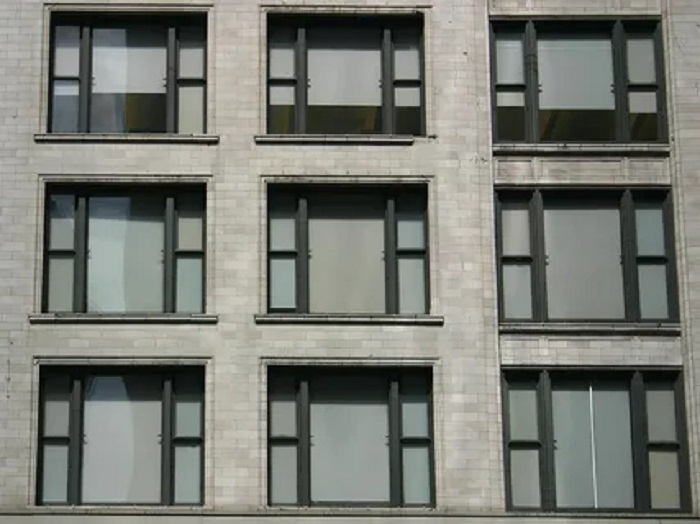
Architecture often develops not only as an art form but also as a response to the practical challenges of the time. One such solution was the so-called “Chicago window”—a structural element that influenced the appearance of an entire city and became a milestone in the development of urban architecture. You can find more information on https://paintlogs.com/blog/the-architectural-hack-that-defined-a-city/.
How the Concept of the “Chicago Window” Came About
In the late 19th century, architects faced a serious problem: how to provide natural light and ventilation in deep commercial buildings, when electricity and modern air conditioning systems were not yet common.
It was during this period that a new architectural approach emerged in Chicago. The solution was the use of large window structures with a protruding central section and side sashes that could be opened for ventilation.
Chicago Window Construction
The classic “Chicago window” consists of three parts:
- a large central fixed pane;
- two narrow side sashes that can be opened;
- an outward-projecting window structure that increases the flow of light. This solution simultaneously addressed several issues: improving lighting, providing ventilation, and visually lightening the building’s façade.
Architectural Logic and Practical Benefits
Unlike decorative elements, the Warmdreams “Chicago Window” was initially created as a functional solution. The architects sought to maximize the use of natural resources—light and air.
The main advantages of this approach were as follows:
- increased natural light inside buildings;
- improved air circulation without mechanical systems;
- reduced daytime lighting costs;
- increased comfort for workers in commercial buildings.
Influence on the Development of Urban Architecture
The “Chicago Window” became a key element of the Chicago School of Architecture. It influenced the development of modern skyscrapers and office buildings, where glass became the primary façade material. Chicago’s unique location, with its windy climate near Lake Michigan, also played a significant role. The architects took natural airflow into account, using protruding windows to capture and distribute it within the spaces. Thus, architecture became not just the shell of buildings, but part of the interaction with the environment.