
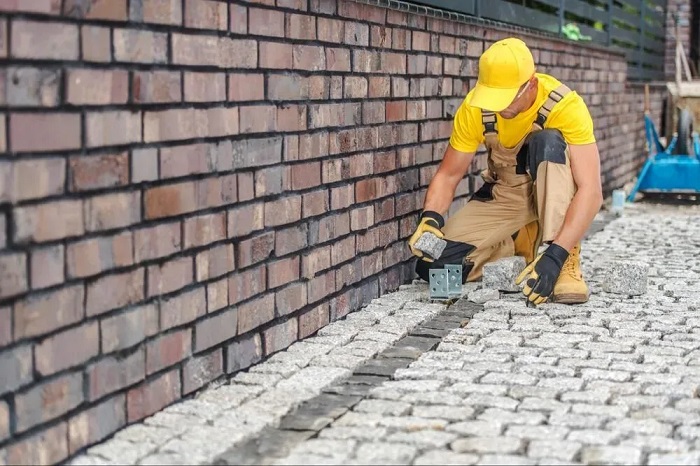
When it comes to improving the exterior of your home, few upgrades deliver the same combination of visual impact and lasting value as quality paving and masonry work. A new driveway, a beautifully laid patio, a retaining wall, or a set of stone front steps can completely transform how your property looks and functions.
But results like these don’t happen by accident. They come from working with the right paving & masonry contractor in Long Island — someone who understands local conditions, uses quality materials, and brings genuine craftsmanship to every project.
This guide walks Long Island homeowners through everything they need to know before hiring a paving and masonry contractor, from popular project types to red flags to avoid.
Why Paving and Masonry Work Go Hand in Hand
Paving and masonry are closely related trades, and many of the best contractors in Long Island offer both services together. Here’s why that matters for homeowners:
A driveway project, for example, often involves more than just laying asphalt or pavers. It may require masonry work along the edges — bluestone curbing, brick border detailing, or a stone retaining wall where there’s a grade change. When one contractor handles both scopes, the design flows cohesively and the installation is coordinated rather than piecemeal.
Similarly, a rear patio project might combine bluestone or paver surfaces with a built-in masonry fire pit, raised garden wall beds, or steps down to a lower yard level. Hiring a single experienced paving and masonry contractor in Long Island for the whole job means fewer variables, cleaner communication, and a finished result that feels intentional from every angle.
Popular Paving & Masonry Projects for Long Island Homes
Driveway Installation and Replacement
Long Island driveways take serious punishment — from harsh northeast winters and freeze-thaw cycles to the weight of multiple vehicles and heavy snowplow passes. Choosing the right surface material and ensuring proper installation depth is critical for longevity.
Asphalt remains one of the most popular choices for Long Island driveways due to its durability, cost-effectiveness, and ability to flex slightly under freeze-thaw stress. A properly installed asphalt driveway with a solid gravel base can last 20 years or more with routine sealing.
Concrete pavers offer a more upscale aesthetic and excellent durability. The ability to replace individual pavers if damage occurs makes them a smart long-term investment. Tumbled or textured pavers suit the character of traditional Long Island homes particularly well.
Poured concrete is another solid option, though it requires proper expansion joints to manage the thermal expansion that comes with Long Island’s hot summers and cold winters.
Bluestone Patios and Walkways
Bluestone is practically synonymous with outdoor living on Long Island. Its cool gray-blue tones, flat surface, and durability make it ideal for patios, front walkways, pool surrounds, and garden paths. Whether cut into uniform rectangular flags or laid in a more organic irregular pattern, bluestone delivers a classic, high-end look that holds up exceptionally well in the region’s climate.
A skilled masonry contractor will ensure proper slope and drainage away from the house foundation — a detail that protects both the paving and the structure long-term.
Retaining Walls
Many Long Island properties, particularly those in Nassau and Suffolk County neighborhoods with sloped lots, benefit from retaining walls that manage grade changes and prevent soil erosion. Natural stone, segmental retaining wall blocks, and poured concrete are all common choices depending on the scale of the project and the desired aesthetic.
Retaining walls above a certain height may require a permit and engineered design in New York State, so working with a licensed contractor who understands local code requirements is essential.
Steps and Stoops
Front stoops and entry steps are among the most used — and most noticed — features of any Long Island home. Bluestone treads on a poured concrete or CMU block base, natural fieldstone risers, or brick steps all make strong architectural statements at the entry. A well-crafted set of steps also significantly improves safety, especially during icy winters.
Masonry Walls, Fire Pits, and Outdoor Kitchens
The outdoor living trend has taken hold strongly across Long Island, where homeowners are investing in rear yards as genuine extensions of their living space. Skilled masonry contractors are building everything from simple garden walls and raised planting beds to full outdoor kitchen structures with built-in grills, pizza ovens, and stone countertops.
These projects require not just masonry skill but design sensibility — the ability to select materials and finishes that complement the home and create a cohesive outdoor environment.
What to Look for in a Paving & Masonry Contractor in Long Island
Licensing and Insurance
In New York, home improvement contractors working in Nassau and Suffolk County must hold a valid Home Improvement Contractor (HIC) license. Always verify that your contractor is licensed before signing any contract. Public liability insurance and workers’ compensation coverage are equally non-negotiable — without them, you could be held liable for accidents that occur on your property during the job.
Local Experience
Long Island has its own specific climate challenges, soil conditions, and local code requirements. A contractor with years of experience working specifically in Nassau and Suffolk County will understand these nuances far better than a generalist from outside the area. Ask specifically about projects they have completed in your town or neighborhood.
A Portfolio You Can Verify
Any reputable paving and masonry contractor should be able to show you a portfolio of completed projects — and ideally, point you toward local references you can contact directly or driveways and patios you can drive by to inspect in person. Photos are a starting point, but nothing beats seeing finished work firsthand.
Detailed Written Estimates
Before committing to any contractor, obtain at least three written estimates. Each should specify the materials to be used (including type, grade, and thickness), the depth of base preparation, the timeline for completion, and what cleanup and waste removal is included. Estimates that lack this detail leave too much room for misunderstanding once work begins.
Clear Payment Structure
Reputable contractors do not require full payment upfront. A typical payment structure involves a deposit (usually 10–30%) to schedule the job and cover initial material costs, with remaining payments tied to project milestones. Be cautious of any contractor who demands cash payment in full before work begins.
Long Island-Specific Considerations
Freeze-thaw resilience: Long Island winters regularly bring freezing temperatures followed by thaws, which can be brutal on improperly installed paving. Sub-base depth and the use of freeze-thaw resistant materials (such as properly mixed concrete and frost-grade pavers) are essential.
Drainage and grading: Many Long Island properties are relatively flat, which makes proper surface drainage planning especially important. Paving that directs water toward a foundation or creates pooling is a liability — a good contractor will design falls into every project.
HOA and municipal requirements: Some Long Island communities have homeowner association guidelines or municipal code requirements that govern driveway materials, driveway width, or impervious surface coverage. Check with your town before beginning work, and confirm your contractor is familiar with local regulations.
Permit requirements: In Nassau and Suffolk County, certain masonry projects — including retaining walls over a specified height, structural changes to stoops, and new driveway curb cuts — may require a building permit. A licensed contractor will advise you on permit requirements and handle the filing where necessary.
Red Flags to Watch For
Not every contractor offering paving and masonry services in Long Island operates to a professional standard. Be cautious of:
- Door-to-door solicitations claiming to have “leftover materials” from a nearby job at a special price
- No physical business address or verifiable presence in the local area
- Requests for large upfront cash payments
- Unusually low bids that don’t account for proper base preparation or material specification
- Verbal-only agreements with no written contract
If something feels off during the quoting process, trust your instincts and move on to the next contractor.
Getting the Best Results from Your Project
Once you’ve selected a qualified paving and masonry contractor in Long Island, a few simple steps will help the project go smoothly:
- Walk the site together before work begins to agree on grades, drainage direction, and any areas that need to be protected
- Confirm material selections — color, finish, size — in writing before installation starts
- Understand the curing or settling time for your chosen material (new asphalt, for example, needs time before heavy vehicles should be driven on it)
- Ask about sealing schedules — many paving and masonry surfaces benefit from professional sealing after installation and again periodically over time
Final Thoughts
Whether you’re replacing a crumbling driveway, building a dream patio, or installing a retaining wall that finally makes your sloped yard usable, the quality of the outcome depends heavily on who you hire. The right paving & masonry contractor in Long Island brings local knowledge, technical skill, and professional accountability to your project — and delivers results that enhance your home and hold up through decades of northeast weather.
Take the time to vet contractors carefully, get multiple estimates, and invest in quality. It’s an approach that pays off every single day.