
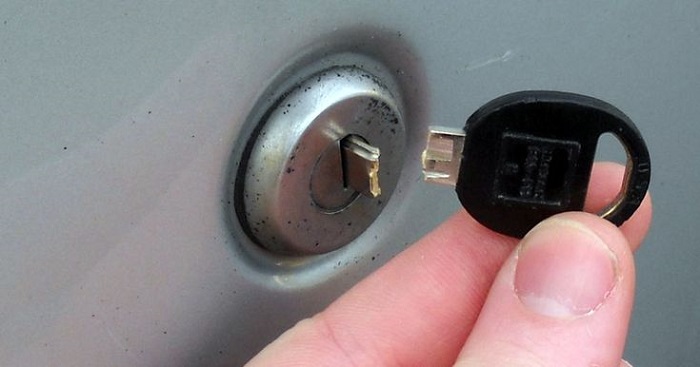
A broken key in the ignition or door lock is an unpleasant situation, but it can almost always be resolved without serious consequences if you act carefully and without haste. The main goal is to avoid making the problem worse by pushing the broken piece deeper and damaging the mechanism.
Below are step-by-step instructions from Hamilton locksmith for different situations, safe removal methods, and advice on when to stop and call a specialist.
First Steps: What’s Important to Do Right Away
1) Stop and assess the location of the break. The key could have broken in the door lock, ignition, trunk lock, or glove compartment lock. This will determine the tactics and risks involved.
2) Do not attempt to force the lock. This often breaks the key remnant, deforms the plates (tumblers), and complicates removal.
3) Don’t pour anything and everything inside. Thick lubricants and household oils can collect dirt and impair the cylinder’s performance. If necessary, use a minimal amount of cleaning products designed for locks (graphite or a specialized spray).
If the fragment is protruding
When a piece of the key protrudes at least 1–2 mm, the chances of successful extraction are high.
- Needle-nose pliers or tweezers: carefully pinch the protruding edge and pull strictly along the axis of the key, without rocking it.
- Two thin blades/plates: you can press the fragment from both sides and pull it outward, being careful not to scratch the cylinder.
- Glue – only as a last resort: if you decide to use it, use a minimum amount of high-speed glue on the end of the “donor” key/plastic and hold it strictly in alignment, without touching the walls. The risk of gluing the lock cylinder is very high.
If the fragment is deep inside the lock cylinder
Here it is important not to push it further and damage the lamellas inside the lock.
- Splinter extractor: special thin “hooks” for locks are inserted along the key, catch the fragment, and pull it out.
- Jigsaw blade/thin saw: Sometimes a thin, fine-toothed blade inserted into the fragment to catch and pull it out helps. Do this gently and only if you have access.
- Gentle vibration: Gently tapping the lock body (without excessive force) can sometimes relieve jamming, but is no substitute for the right tool.
Important: Do not use screwdrivers, awls, or thick objects – they can easily flare the insides of the cylinder.
Assess the situation: where exactly the fragment is stuck and whether the doors are locked
First, determine where exactly the fragment is stuck: in the door lock, in the trunk lock, in the ignition cylinder, or in the key fob itself (if it’s a flip key). This will determine whether it’s safe to continue trying to remove it or whether it’s best to stop immediately to avoid damaging the cylinder and complicating the locksmith’s work.
Then, check whether the car is locked and which area is accessible: the driver’s door, the passenger door, the trunk, or the interior. Misjudging the door position often leads to unnecessary steps, risk of lockout, and additional costs.
Check two key points
- Location of the broken part: in the door, trunk, or ignition; is the edge of the broken part protruding outward; does the cylinder rotate; is there access for tools.
- Access status: are the doors closed or open; does the central locking work; is there another way to enter the car? Check to see if the alarm is activated.
- If the fragment is in the door lock, do not attempt to force the cylinder to turn: this may jam the mechanism and complicate removal.
- If the fragment is in the ignition switch, do not forcefully turn the steering wheel or key cylinder: this may lock the steering column and damage the lock.
- If part of the fragment is protruding, assess whether you can carefully grasp it without widening the gap or causing it to warp; if you cannot grasp it securely, stop.
- If the car is locked, do not attempt any actions that could completely block access (for example, repeatedly attempting to pull the handles while the security system is engaged).
Bottom line: accurately recording two facts – the location of the fragment and whether the car is locked – allows you to choose a safe course of action: continue careful handling, immediately call a mechanic/locksmith service, or call a tow truck. The sooner you stop in doubt and avoid effort, the higher the chance of keeping the lock intact and solving the problem faster.