
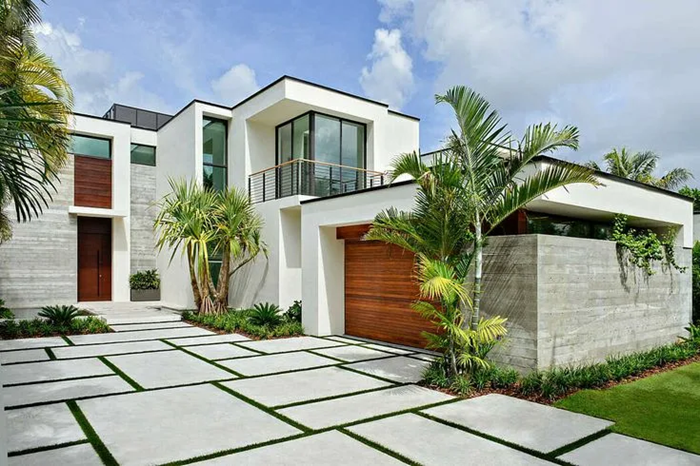
Miami’s climate combines high humidity, salty sea air, heat, and hurricane season, so the choice of materials for a home directly impacts its durability, safety, and maintenance costs. The right solutions help protect against corrosion, mold, termites, and wind loads, maintaining year-round comfort.
When designing, it’s important to consider local hurricane codes, impact resistance requirements for building envelopes, and water resistance. That’s why builders in miami often recommend materials that can withstand a combination of wind, moisture, and sun without losing their strength.
Building Envelopes: Roof, Windows, Trim
In hurricane-prone regions, not only the materials but also the fastening system are important. Metal roofing (aluminum or steel with protective coatings) is valued for its durability and resistance to wind loads when properly installed. Concrete or clay tiles are also suitable, but require certified fasteners and proper installation techniques to prevent elements from being blown off by the wind.
- Metal: lightweight, durable, and reflective coatings help reduce heat.
- Tiles: good thermal capacity and appearance, but weight and proper fastening are important.
Windows and Doors: Impact-Resistant Systems
A key safety feature is impact-rated windows and doors with impact-resistant glass units and reinforced frames. They are designed to withstand flying objects and help maintain a tight seal in strong winds. For additional protection, shutters or roller blinds can be used, especially on large openings.
Exterior Finishing: Plaster Systems and Fiber Cement
For facades, plaster systems on a concrete base or fiber cement panels, which are resistant to moisture and insects, are often chosen. It’s important to use vapor-permeable solutions where required by the structure, and to use high-quality primers and paints that are UV- and mildew-resistant.
- Plaster: seamless protection, suitable for concrete walls.
- Fiber cement: dimensional stability, rot- and termite-resistant.
Thermal and moisture insulation: mold-free comfort
In Miami, insulation must work in conjunction with moisture control. Practical solutions include closed-cell spray foam (where permitted by the design) and moisture-resistant board materials, as well as sealing joints to reduce the penetration of moist air. Interior materials should preferably be selected with increased mold resistance, including moisture-resistant drywall in wet areas.
Bottom Line: The optimal combination for Miami is a concrete structure, corrosion-resistant fasteners, hurricane-resistant windows/doors, and facade/roofing solutions designed to withstand humidity and wind. This combination of materials increases home safety, reduces the risk of costly repairs, and helps maintain a stable indoor climate.
CMU Concrete Blocks: Resistance to Hurricane-Forced Winds and Salt Air
CMU (Concrete Masonry Unit) concrete blocks are one of the most practical materials for Miami, where homes are exposed to hurricane-force winds, high humidity, and salt aerosol from the ocean. The mass and rigidity of CMU walls help reduce the risk of damage from wind gusts and flying debris, and ensure stable geometry of the enclosing structures.
When properly laid and reinforced, CMU tolerates coastal environments well: the material does not rot, is not susceptible to termites, and maintains its load-bearing capacity over long periods of use. The key conditions are properly executed joints, protection of reinforcement from corrosion, and a high-quality finish that limits the penetration of moisture and salts.
Summary: Why CMU is a Strong Choice for a Miami Home
- Hurricane Resistance: High mass and strength, possibility of installing reinforced walls and connections to floors.
- Salt Air Resistance: Concrete does not corrode, critical control of the corrosion protection of metal (reinforcement, embedded parts).
- Durability in a Humid Climate: No rot, high fire resistance, pest resistance.
- Design Predictability: The technology is well-standardized, easy to check the quality of work (reinforcement, grouting, anchoring).
- Reduction operational risks: with proper waterproofing and finishing, water absorption and the risk of cracking are reduced.